Quite the Site: Luxury Travel to UNESCO World Wonders
As proud custodians of historic properties near cultural and natural wonders, Belmond’s hotels and trains are the perfect choice for travellers with a historical hankering. Whether you’re marvelling at the ingenuity of the ancient Romans in Britain or the wonders of the Mayas in Mexico, our properties are your gateway to the past.
1 / 6
Teatro Antico di Taormina, Italy
1 minute from Grand Hotel Timeo
You couldn’t get closer to Taormina's foremost archaeological marvel than Grand Hotel Timeo, a historic hotel that joins with the Teatro Antico via a secret passageway. Built in the third century BC, the theatre could hold 10,000 spectators in its heyday: first for the ancient Greeks hosting plays and cultural gatherings, and later for gladiatorial contests during the Roman period. With its tumble of honey-hued bricks, well-rounded seating and vista across to Mount Etna, this ancient amphitheatre has beguiled visitors as the jewel in Taormina’s crown for well over two millennia.
Explore
2 / 6
Hagia Sophia, Turkey
Visited by the Venice Simplon-Orient-Express
The Paris to Istanbul route aboard the Venice Simplon-Orient-Express is the stuff of legend, but even more treasures await when you reach the end of the line in the vibrant city once known as Constantinople, the seat of the Eastern Empire. Here sits the majestic Hagia Sophia, erected in AD 537 and known as one of the most impressive relics of the Byzantine Empire. Combining both Christian mosaics and Islamic calligraphy, clad in many-hued marble and guarded by four towering minarets, the building is crowned by a central dome of almost impossible proportions – this floating marvel of engineering is a sight you’ll never forget once you lay your eyes upon it.
Explore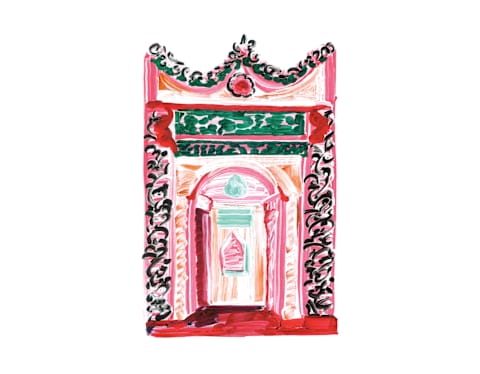
3 / 6
Roman Baths, England
Visited by the British Pullman train, departing from London
The historic city of Bath owes its name to a timeless legacy: the Roman baths built nearly 2,000 years ago. Originally called Aquae Sulis – a tribute to Sulis, the Celtic goddess of hot springs – it’s a site that brings to life Roman Britain’s vibrant culture. The baths’ mineral-rich waters were believed to hold healing powers and they served as a social epicentre for the city. While bathing there is off-limits today, an on-site museum showcases priceless relics from the Roman period, including offerings left to honour the goddess Sulis herself – you can even take a sip of the mineral-rich waters.
Explore
4 / 6
Chichén Itzá, Mexico
2 hours from Maroma
If you imagine an ancient pyramid in Mesoamerica, there’s a good chance you’re picturing Chichén Itzá – one of the most emblematic archaeological sites of Yucatán. Estimates say the original site was built between 750 and 900 AD, but it wasn’t until the 10th century that the city became a regional capital. The primary draw is the main pyramid: the Temple of Kukulkan, devoted to the famed winged serpent deity seen across the region. The slope and panels of the stairs, ending in a serpent’s head, depict Kukulkan when seen in profile and are illuminated when night descends. For those searching for luxury hotels near UNESCO sites, it doesn’t get better than Maroma.
Explore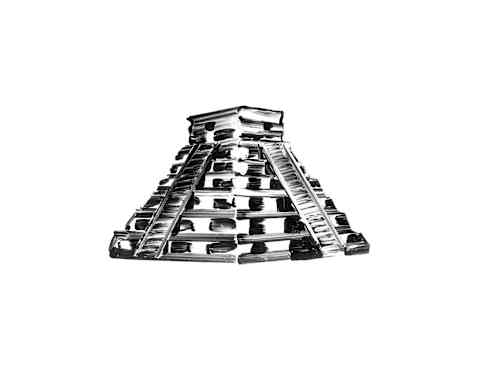
5 / 6
Machu Picchu, Peru
Visited by the Hiram Bingham train
Machu Picchu, a 15th-century citadel built by the Incan people high in the Peruvian Andes at nearly 8,000 feet above sea level, was long known to local communities. It gained global fame, however, after explorer Hiram Bingham’s 1911 expedition sparked widespread interest, leading to its excavation and eventual preservation. This iconic ‘lost city’ captivated the world with its breathtaking archaeological sophistication and precise alignment with celestial events – showcasing the Incas’ advanced knowledge of astronomy – and its seamless integration into the lush natural landscape. For the best hotel near Machu Picchu, Sanctuary Lodge sits right by the citadel’s entrance.
Explore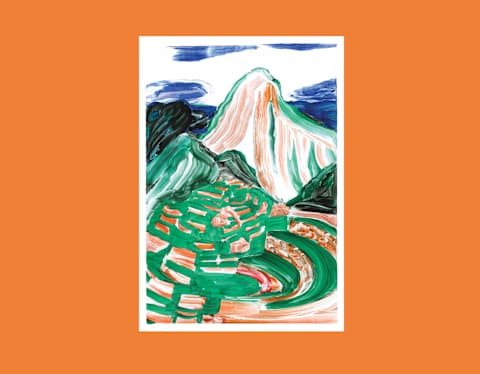
6 / 6
Pompeii, Italy
45 minutes from Caruso
Under the shadow of Mount Vesuvius, the town of Pompeii still stands, preserved beneath a blanket of ash and pumice from the 79 AD volcanic eruption. It is a vision into Roman life unlike any other, including ornate decorations, frescos, jewellery and countless objects that give insight into the lives lived and lost in this town, making it a unique UNESCO World Heritage Site. Owing to its status as the only archaeological site in the world that provides a complete picture of an ancient Roman city, it must be seen to truly be experienced.
Explore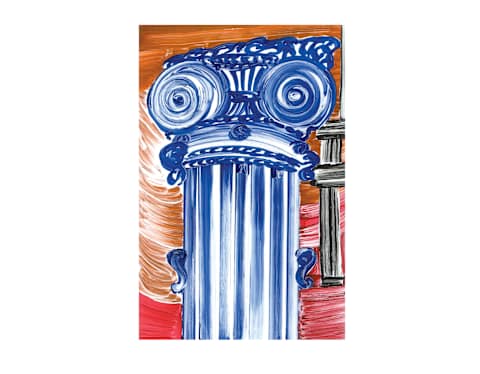
You might also enjoy
Pools, By Belmond
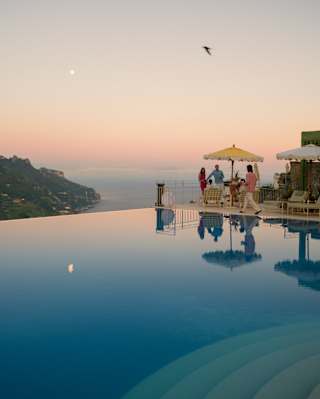
The best hotel swimming pools offer iconic views, impeccable poolside service and something a little special – and with Belmond, you are spoilt for choice. From a pool party atmosphere under the sun in Rio de Janeiro to spots you can swim while watching the waves crash on white sand in the Caribbean, let us introduce you to the best of the best.
A Force of Nature at Iguassu Falls
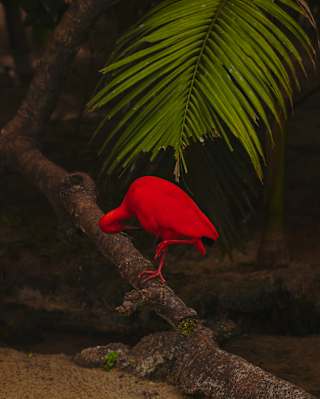
Set inside Iguassu National Park, Hotel das Cataratas offers an immersive experience where the living landscape, indigenous wisdom and a sustainable ethos shape a contemporary vision of luxury hospitality.
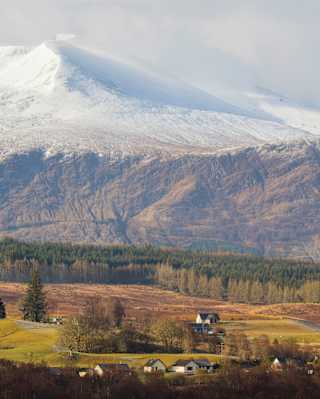
Unlock The Highlands
Departing from historic Edinburgh, journey with us to the heart of the Scottish countryside. Suitcases at the ready: these are the best places to visit in the breathtaking Highlands.
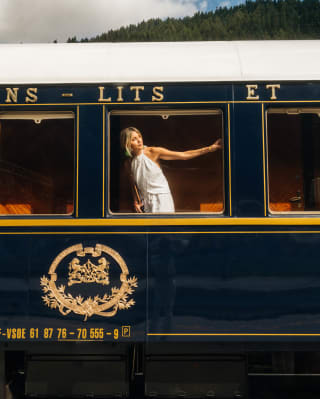
Venice Simplon-Orient Express: An Icon of the Rails
An icon of Art Deco design and an enduring symbol of luxury, the Venice Simplon-Orient-Express is a true classic. Step on board for a singularly elegant rail adventure.
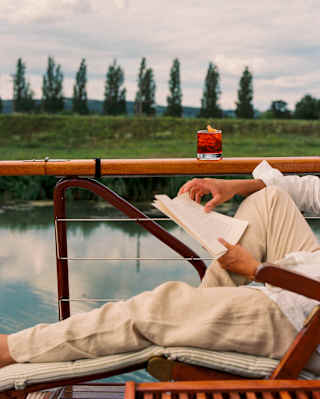
Privacy in Motion
Travelling in luxury by train or boat recalls a sense of cinematic glamour. Now, takeovers and charters are the new way to recreate a rollicking spirit of celebration for special occasions.
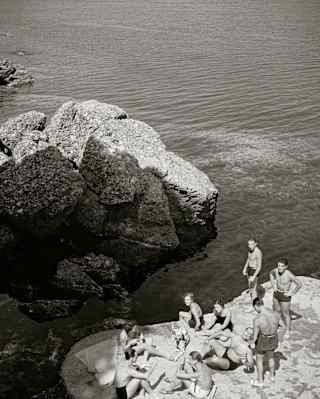
The Novel That Defined Portofino
Portofino has been the backdrop for countless cultural moments, but one book from the 1920s is often credited with kickstarting the belle epoque of the Italian Riviera. Matthew Bell, contributing editor at Tatler, explores its enduring impact.
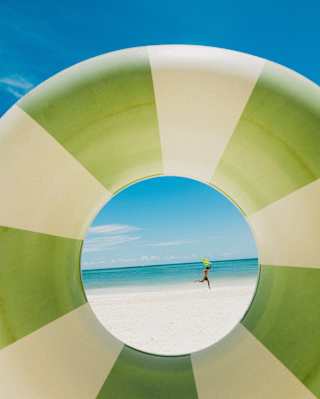
Beaches, by Belmond
January is a month for rest, rejuvenation and dreaming of sun-soaked escapes. From iconic coastlines to hidden shores, these are the world’s most beautiful beaches – experienced the Belmond way.