Why Summer Is the Best Time to Visit Lima

In the summer, the mysterious sea mist lifts and limeños come alive. Lima, the foodie capital of South America, is vibrant and cosmopolitan year-round – but her best side is seen between December and April. Fresh from a whirlwind nationwide tour celebrating Belmond’s 25 years in Peru, writer Alexandra Pereira shares her Lima highlights.
Often the starting point for historical treks, sacred pilgrimage and Amazonian epiphanies, Lima’s many delights are sometimes overlooked, lost in the wintry mist. But in the summer months – December to April – it offers sunny highs and bluer skies.
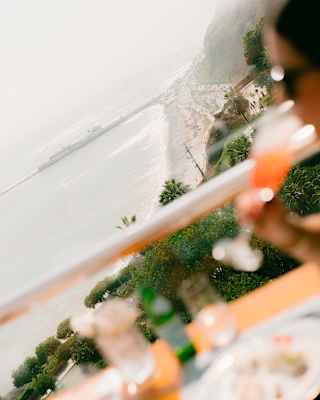
You might not expect it, but Lima is, in fact, a desert city; the inland winds and brisk water streams of the Pacific create an unusual microclimate. At its sea-level proximity, the autumn and winter months deliver stormy, windy, grey days. Visit at the end of spring and into summer, the skies crack, a gentler climate descends and the sunsets are a true spectacle, casting orange watercolour hues over the Pacific Ocean. Discover why Lima is more than just a stopover before further Peruvian adventures.


WHAT TO DO
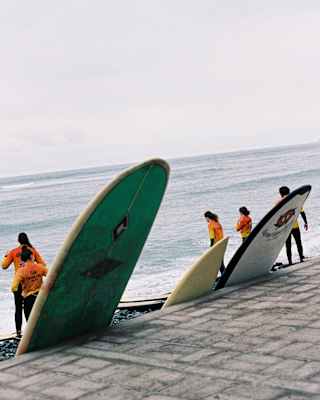
How better to embrace Lima’s welcoming summertime climate than to dive into the city’s best outdoor pursuits? A host of surf schools lead classes from 6am under the orange sunrise in Miraflores and further south towards the neighbourhood of Reducto. The city is also well developed for cyclists, especially around Miraflores and Barranco, where the roads are a little less hectic. You can take 3-hour bike tours with local guides, and even coastal tours on mountain bikes if your thighs are aching for more.
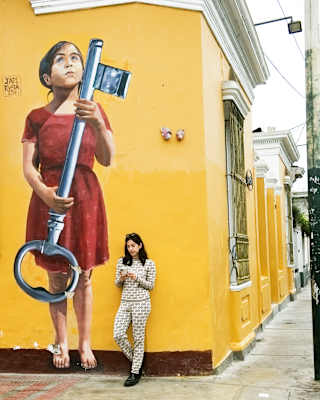
Miraflores and Barranco tours on foot serve as a particularly efficient way to spot street art, from graffiti to murals. Miraflores is home to darling spots such as the Parc Guëll-inspired Love Park, where large sculpture ’The Kiss’ depicts a man and wife in an enduring embrace, in reference to rumours of a ’longest kiss’ contest that used to take place here.
Should the sun be pelting down a little hard – or one of Lima’s infamous overcast afternoons sets in – shelter in the city’s museums. Peruse the evocative displays at Museo Larco, with current collections dedicated to pre-Columbian societies, erotic art and ancient pottery artefacts. Over at the National Afro-Peruvian Museum you can explore the difficult history of colonial forces and slave trade in the region. Similarly, the Place of Memory, Tolerance and Social Inclusion, or LUM, offers a sobering look at Lima’s history. It’s customary to gaze out onto the Pacific Ocean at the end of your visit, from the museum’s Balcony of Anguish on the third floor.
Then there’s Lima’s slightly more gothic allure: located beneath the 16th-century Monasterio de San Francisco, a subterranean pathway network snaking its way through what was once the capital’s only cemetery. Around 25,000 crypts make up the Lima catacombs, said to be the most substantial on the continent. In all its gleaming glass cube glory, Lima’s Museum of Contemporary Art houses a modest yet robust permanent collection of contemporary work from across the globe; small gallery studio spaces like Polen are also excellent places to shop for artisanal crafts and ceramics.
WHERE TO EAT & DRINK
A strong Chinese-Peruvian tusán community in Lima means plenty of Szechuan and Sichuan restaurants, while the South American-Asian fusion of cuisines known as chifa offers plenty of Cantonese influences merging with Peruvian ones. Try wandering the sunlit, brightly decorated streets of Barrio Chino, Lima’s own Chinatown, for wontons, soups and roasted meats – or Madame Tusan in Miraflores.
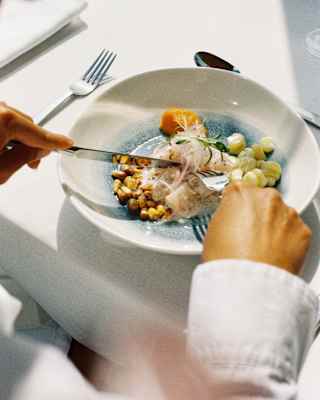
Scattered throughout the city, too, is a well-established Japanese-Peruvian nikkei community, meaning another exciting culinary pairing: prepare to be blown away by ceviche sashimi and other fresh oceanic delights with fire-hot jalapenos and mouthwatering citrus combinations. Booking a table at Maido is a must. If you’re willing to stand in line for one of the buzziest spots in town, Isolinaoffers up some of the best local staples in unfussy, contemporary surroundings. This beloved tavern serves up Peruvian classics like causa, chicharrón and patita con maní.
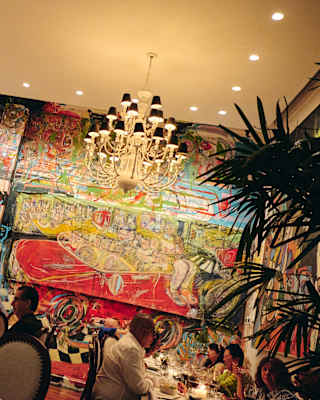
No trip to Peru is complete without drinks at Belo Bar in Belmond’s Miraflores Park, followed by dinner at Tragaluz. Both lead with artful surroundings and menus brimming with poetry; opt for a pisco espresso martini before feasting on creations from chef Ricardo Ehni like nikkei tiradito and the chifa classic of lomo saltado – a marinated beef stir-fry. From Tragaluz’s high ceilings hang dimly lit futuristic chandeliers, while walls echo Barranco’s lively wall murals, adorned with colourful, avant garde work from the likes of Mateo Liébana. And if the summer night beckons, head to bars Victoria and Olé for endless piscos and dancing.
MIRAFLORES PARK, A BELMOND HOTEL
Step into our urban oasis and feel a sense of serenity descend. Here, Lima’s contemporary spirit and vibrant social scene is paired with the pinnacle of Limeño luxury.
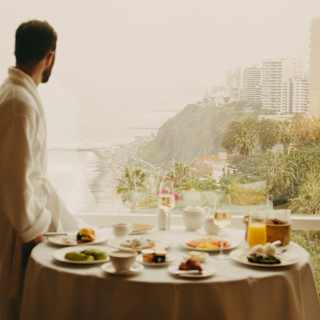
Ascend to our rooftop for spectacular views of the Pacific Ocean to frame your morning coffee and for sunset cocktails on Wednesdays as the sky becomes a divine kaleidoscope of colours. Or dine divinely at Tragaluz, our iconic restaurant where culinary theater is a way of life.

Delve deeper into
You might also enjoy

Peru: An Odyssey Across a Time-Honoured Land
In this extract from “Peru: An Odyssey Across a Time-Honoured Land,” a new book published by Assouline in collaboration with Belmond, journalist Catherine Contreras reveals a Peru travel guide, inviting readers to explore one of the planet’s most captivating destinations and showcasing the beauty of the locations where Belmond’s hotels and trains are found throughout Peru.

Splendido: The Radiant Stage of Portofino
For the new Belmond Assouline travel book, British journalist Matthew Bell dives into the history of Splendido to tell us the tales of the gem of the Italian Riviera. The hotel, which has entered a new chapter on the radiant stage of Portofino after a painstaking renovation, transforms into a mythical legend in the new Assouline travel book – discover an excerpt from the guide and read about the secret stories behind the iconic destination.

Go with the Slow: The Rise of Train Travel
Belmond continues to shape the future of luxury train travel, marked this year by the arrival of the Britannic Explorer, the first train of its kind in England and Wales. Monisha Rajesh – author of four travel books including ‘Moonlight Express: Around the World by Night Train’ – discovers why slow travel is having a resurgence.

Quite the Site: Luxury Travel to UNESCO World Wonders
As proud custodians of historic properties near cultural and natural wonders, Belmond’s hotels and trains are the perfect choice for travellers with a historical hankering. Whether you’re marvelling at the ingenuity of the ancient Romans in Britain or the wonders of the Mayas in Mexico, our properties are your gateway to the past.

Belmond Legends: Copacabana Palace
Welcome to Copa, the legendary stage for the most glamorous encounters and iconic revellers. This is the place where Rio entertains and enchants. The place where Rio starts.

La Samanna: The Sanctuary of St. Martin
Perched above Baie Longue, La Samanna is a place where elegance and tranquillity mingle in perfect harmony. Step inside our legendary hotel, in the heart of Terres Basses.

In the Dog House
Finding the perfect luxury hotel that is dog-friendly can be a ruff task. Discover the Belmond hotels that allow pets and their stylish globetrotting owners, from pet-friendly hotels in Italy to luxurious doggy havens in the English countryside.