Taste Travel: A Guide to Champagne

In the first of a new series of Belmond destination guides, food writer Caroline Craig takes us through what makes the French region of Champagne so special. For those ready to embark on their journey to the towns made famous by sparkling wine find everything you'll need to know here before exploring France further with Les Bateaux Belmond from Burgundy to Provence. Follow her tips to do like the French do – taking drinking bubbles and dining in style to the next level.

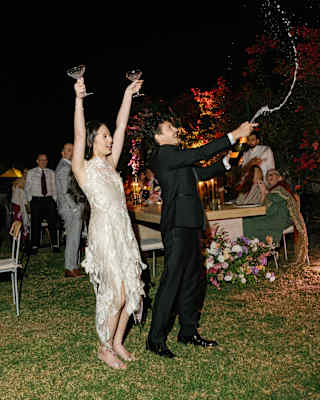
In the bath, at breakfast, with cake, in summer, at Christmas…there is never a wrong moment for a glass of the most luxurious drink in the world. Today, a journey into the heart of the world’s most name-checked French region promises to deepen any bubbly lover’s appreciation – not just for what’s in the glass, but for the centuries it took to perfect.

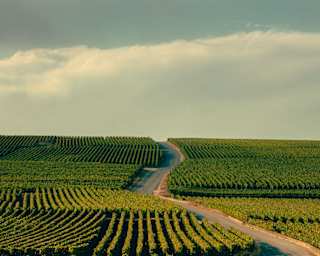
Kings, conquerors and coupes: the region of Champagne has had its fair share of drama over the years. The hubs of Reims, Troyes and Épernay form the holy trinity of architectural, historical and cultural highlights in the area. And beautiful Grand Cru and Premier Cru villages, endless vineyards, vast lakes, dense forests and biodiverse wetlands paint the spaces in between in shades of stone, blue and green.

For the uninitiated: Reims is where the kings of France were crowned; Troyes is made up of the most extraordinary 16th-century timber-framed buildings; and Épernay – the Capital of Champagne – is home to the UNESCO-listed Avenue de Champagne, with its jaw-dropping chalk cellars, secrets and some 200 million bottles of the good stuff. Let’s pop a cork and crack on.

Where to drink Champagne

For Mick Jagger, it's Louis Roederer; for Patsy and Eddie, Bolly. Having a favourite Champagne is a calling card, and there’s no time like the present to discover yours.

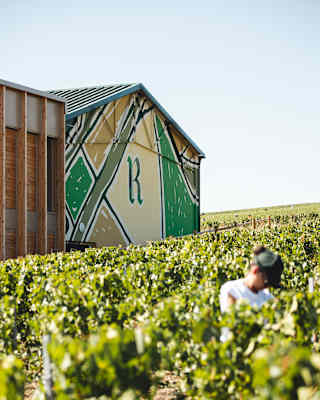
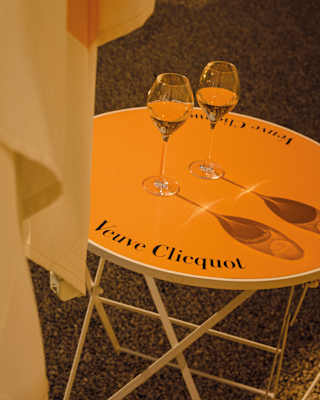
As part of the Coqueliquot itinerary, guests will be given private tours of the world’s most renowned Champagne houses: From the UNESCO World Heritage-Listed crayères (chalk cellars) at Veuve Clicquot to the historic house of Ruinart in Reims where they’re treated to an immersive dining experience imagined by Gabriel Ossard Krauss. There’s also a privatised visit to biodynamic champions Leclerc Briant in Épernay.

If all of this sounds too energetic (understandable) and you’re more of a ‘press for champagne’ prince/princess, you’ll be in safe hands and spoilt for choice with the best wine bars in the region. If you don’t know what you want (hard relate), try Les Caves du Forum in Reims, which offers house Champagne tastings. In Troyes, Chez Philippe is a convivial and popular choice with a fine selection. Side note: if a member of your party has a controversial hankering for a local ale, appease them at La Tête de Chou in Épernay with its locally brewed artisanal beers. 

What to eat in Champagne

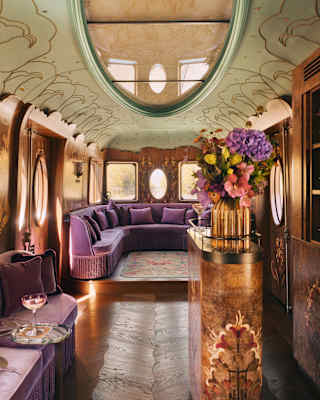
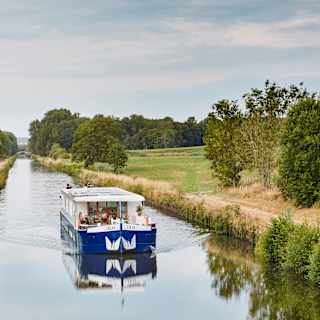
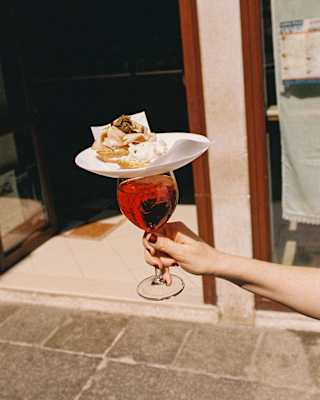
As Coquelicot, A Belmond Boat, floats through Champagne’s most beautiful villages and towns, gastronomic pleasures await – though the simplest are often the most memorable. In Châlons-en-Champagne, observe which boulangerie Champenois are queuing at for their bread and try a croissant from there. In Épernay, if you can’t resist a new opening, head to the Cheese Bar for a cheeky apéro and cheese and charcuterie planche to nibble on. 

Troyes, with its medieval architecture and café terraces is ideal for a dose of mid-morning coffee and people-watching: Pop into newly opened Maison Fawn and choose from their enticing selection of salads and sandwiches while you’re there.

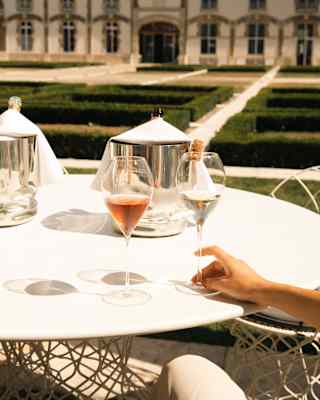
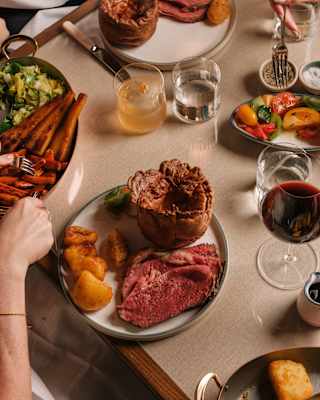
In Reims, the luxe factor is dialled up. Make a beeline for the Clicquot Café, where the Champagne burger pairings are golden. At the Domaine Crayères, you’ve got the choice between delectable Brasserie le Jardin with its tranquil terrace and the splendour of two Michelin-starred Le Parc. More gastronomic gorgeousness is on offer at Le Foch where the spotlight is on fine seafood. Finally, if something hearty is in order, head to local favourite Le Café du Palais to enjoy bistrot fare under a Jacques Simon-stained glass ceiling. A glass of fizz to finish? 

What to do in Champagne

Being the designated driver whilst touring Champagne wineries isn’t necessarily the short straw. Simply insist on being taken to the best spas in the region as a reward for your sacrifice. The Royal Champagne Hotel and Spa has the breathtaking views; Loisium Champagne gets winter minibreak points for its year-round heated outdoor pool; while the charming Hostellerie Briqueterie & Spa uses Maison Caulière products.

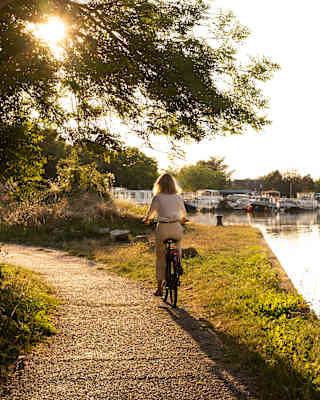
Teetotallers could also take advantage of the many gorgeous cycling trails. Request a Voie verte des Grands Lacs Seine et Aube route map and away you go: forests, nature trails, wetlands and bathing spots abound. Wild swimmers take note: The region is home to vast and beautiful lakes, namely the Lac D’Orient. Head to the Plage de Géraudot sandy beach or order a picnic and make for the quieter Seine riverbanks by Verrières. Call it rehydrating by osmosis after all that fizz.  

Current effervescent status aside, the region was long a magnet for emperors, crusaders and enemies. The result is a rich, layered heritage of relics, architectural marvels and stories that will have history buffs in raptures.

Burned down, bombed, and rebuilt (most recently thanks to a donation from John D. Rockefeller): the jewel in the region’s architectural crown is Reims Cathedral, a Gothic masterpiece complete with Marc Chagall-stained glass windows. Built to house crowds during the coronation of the kings of France, today one of the biggest Christmas markets in France is held on its forecourt – well worth a peruse if you’re there in December.
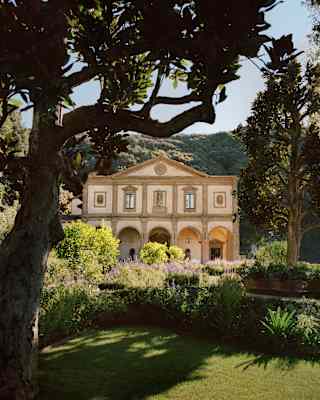
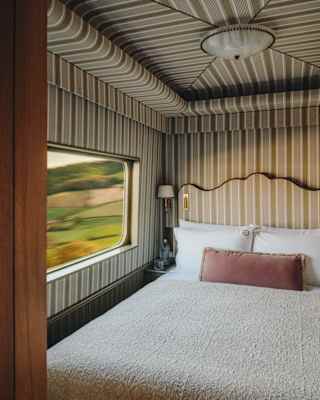
Join Dominique Crenn, Culinary Curator of our Les Bateaux Belmond boats, as she explores the market in Châlons-en-Champagne. Watch Taste Travel: Champagne and YouTube.

Delve deeper into

You might also enjoy