Waggons
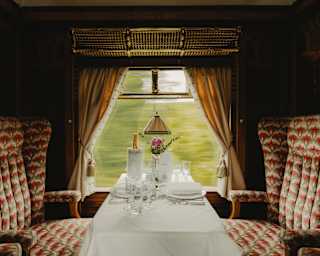
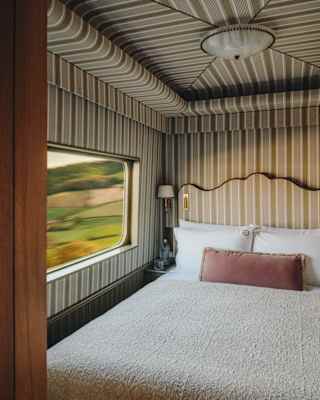
Von königlichen Reisen bis hin zu Erscheinungen in Filmen – unser liebevoll restaurierter Zug aus den 1920er-Jahren hat eine beeindruckende Geschichte zu erzählen. Steigen Sie ein in Audrey, Vera, Minerva und weitere Waggons mit ausgefallenen Namen. Jeder Waggon hat seinen ganz eigenen Charakter und gewährt einen Einblick in eine längst vergangene Zeit.
Celia
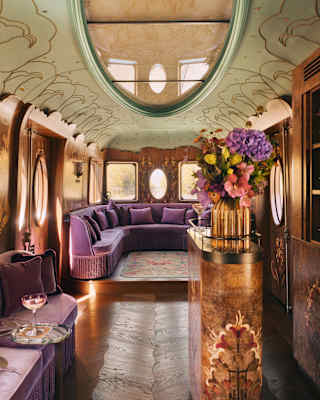
Die Celia ist ein atemberaubender Waggon, der von Baz Luhrmann und Catherine Martin entworfen wurde und in einem originalen Pullman-Waggon aus dem Jahr 1932 untergebracht ist. Der Waggon verfügt über eine stilvolle Cocktailbar, eine Lounge sowie einen Speise- und Unterhaltungsbereich. Mit Platz für bis zu 12 Gäste bietet er ein außergewöhnlich exklusives Erlebnis an Bord von einem der legendärsten Züge Großbritanniens und die Möglichkeit, ein ganz und gar persönlich abgestimmtes Event zu veranstalten.
Entdecken Sie unsere einzigartigen Zugreisen und buchen Sie die Celia für Ihre ultimative Feier.
Verwenden Sie die Pfeiltasten oder die Schaltflächen zur Seitennavigation, um zwischen den Bildern in diesem Karussell zu wechseln.
Cygnus
Dieser eindrucksvolle Waggon kam zum ersten Mal 1951 zum Einsatz und war oftmals Mitgliedern von Königshäusern und Staatsoberhäuptern vorbehalten. Der Regisseur Wes Anderson hat Cygnus 2021 seine Handschrift mit einem frischen Look in einer smaragdgrünen Farbpalette verpasst.
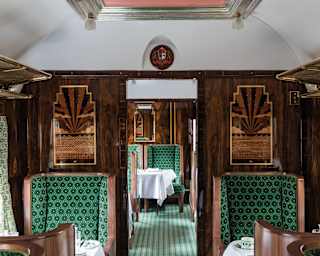
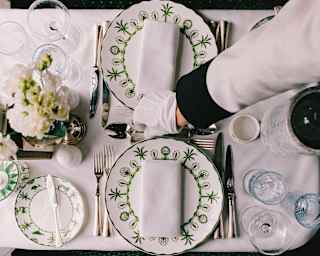
Verwenden Sie die Pfeiltasten oder die Schaltflächen zur Seitennavigation, um zwischen den Bildern in diesem Karussell zu wechseln.
Audrey
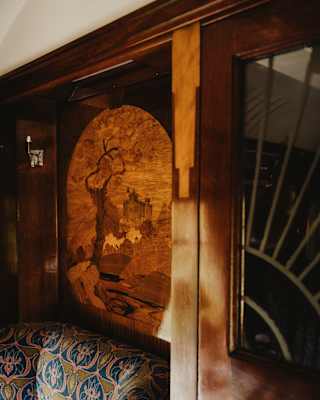
Mit ihrer Vintage-Beleuchtung und den antiken Einlegearbeiten ist unsere Audrey, ein Waggon des British Pullman, ein historisches Highlight, dessen Geschichte auf den Intarsienarbeiten erzählt wird.
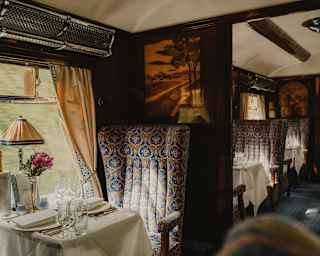
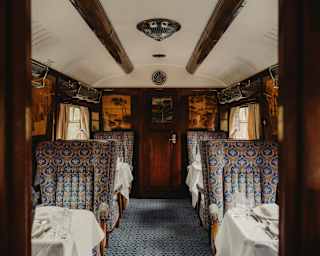
Verwenden Sie die Pfeiltasten oder die Schaltflächen zur Seitennavigation, um zwischen den Bildern in diesem Karussell zu wechseln.
Gwen
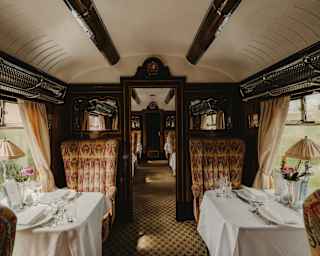
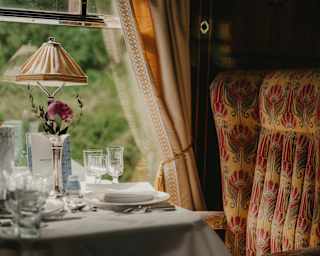
Gwen wurde erstmals 1948 eingesetzt, um Königin Elizabeth II. nach Brighton zu bringen. Mit ihren unverkennbaren beigefarbenen und roten Sitzen verleiht sie jeder Reise an Bord des British Pullman einen Hauch von perfektem Vintage-Flair.
Verwenden Sie die Pfeiltasten oder die Schaltflächen zur Seitennavigation, um zwischen den Bildern in diesem Karussell zu wechseln.
Ibis
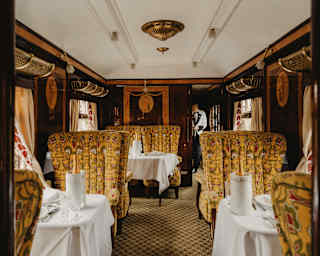
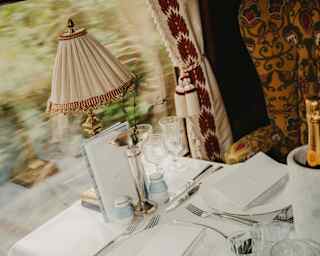
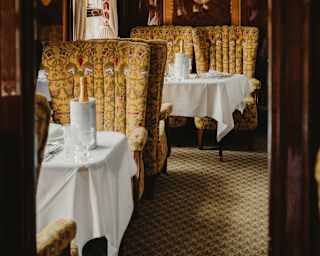
Mit ihren warmen, goldfarbenen Akzenten und Details aus Holz zählt Ibis zu den faszinierendsten Waggons des British Pullman. Die 1925 gebaute Schönheit war bereits in zahlreichen historischen Zügen in ganz Europa im Einsatz – von der Compagnie Internationale des Wagons-Lits et des Grands Express Européens bis hin zum Golden Arrow in Sussex.
Verwenden Sie die Pfeiltasten oder die Schaltflächen zur Seitennavigation, um zwischen den Bildern in diesem Karussell zu wechseln.
Ione
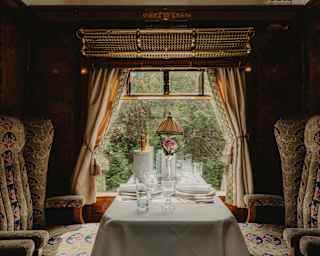
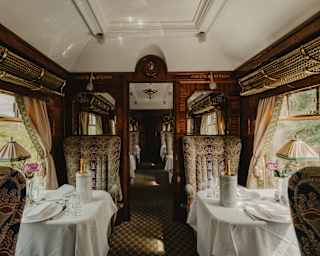
Unsere 1928 gebaute Ione war ursprünglich ein Speisewagen auf den wichtigsten Zugverbindungen im Vereinigten Königreich. Nehmen Sie Platz an einem der vornehm eingedeckten Tische oder buchen Sie ein privates Abteil für 4 Personen im British Pullman und begeben Sie sich auf eine Zeitreise in längst vergangene Zeiten.
Verwenden Sie die Pfeiltasten oder die Schaltflächen zur Seitennavigation, um zwischen den Bildern in diesem Karussell zu wechseln.
Minerva
Mit ihren charakteristischen edwardianischen Intarsien zählt Minerva zu den vornehmsten Waggons des British Pullman Zuges. 1953 brachte sie Zuschauerinnen und Zuschauer zur Krönung von Königin Elizabeth II. und wurde anschließend beim Coronation Derby eingesetzt.
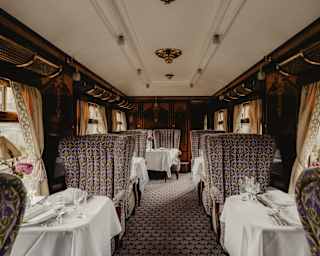
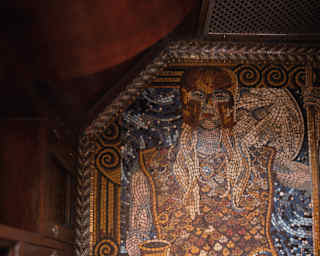
Verwenden Sie die Pfeiltasten oder die Schaltflächen zur Seitennavigation, um zwischen den Bildern in diesem Karussell zu wechseln.
Perseus
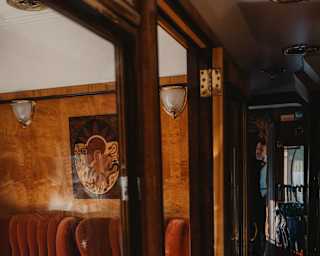
Perseus wurde in den 1930er-Jahren entworfen, jedoch erst 1951 fertiggestellt. Der prächtige Waggon des British Pullman mit 26 Sitzplätzen verfügt über zwei private Abteile für jeweils 4 Personen und war Teil des Zuges, mit dem Winston Churchill 1965 auf seinem letzten Weg begleitet wurde. Buchen Sie Ihren Sitzplatz und bewundern Sie die wunderschöne Vertäfelung aus australischem Walnussholz sowie die Art-déco-Details.
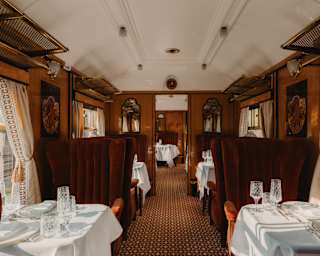
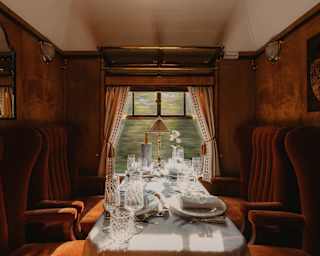
Verwenden Sie die Pfeiltasten oder die Schaltflächen zur Seitennavigation, um zwischen den Bildern in diesem Karussell zu wechseln.
Phoenix
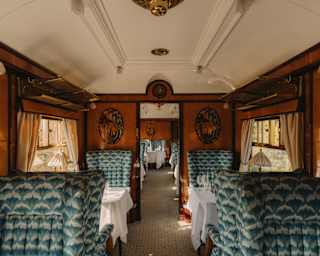
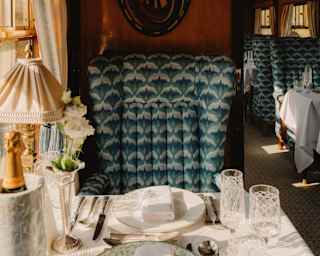
Die Geschichte des Phoenix ist so feurig wie sein Name. Dieser Wagen, der ursprünglich den Namen Rainbow trug, erhob sich nach einem tragischen Feuer im Jahr 1936 wie ein Phönix aus der Asche. Nach der Reparatur wurde der Waggon schnell zum Lieblingsabteil der verstorbenen Königin – ein Symbol der Widerstandsfähigkeit und Eleganz.
Verwenden Sie die Pfeiltasten oder die Schaltflächen zur Seitennavigation, um zwischen den Bildern in diesem Karussell zu wechseln.
Vera
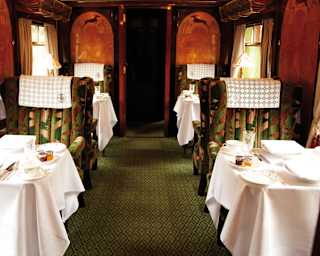
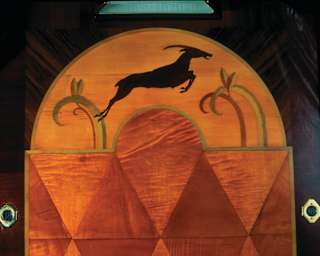
Nachdem Vera im Zweiten Weltkrieg bei einem Luftangriff beschädigt worden war, wurde sie sorgfältig restauriert und kehrte bereits 1947 in den regulären Bahnbetrieb zurück. 1954 beförderte sie Prinz Charles und Prinzessin Anne auf ihrer ersten Reise mit einem elektrischen Zug.
Verwenden Sie die Pfeiltasten oder die Schaltflächen zur Seitennavigation, um zwischen den Bildern in diesem Karussell zu wechseln.
Zena
Zena wurde 1928 gebaut. Nach dem Krieg war der Wagen bis 1955 Teil der Züge Queen of Scots und Yorkshire Pullman und dann bis 1960 Teil des Golden Arrow.