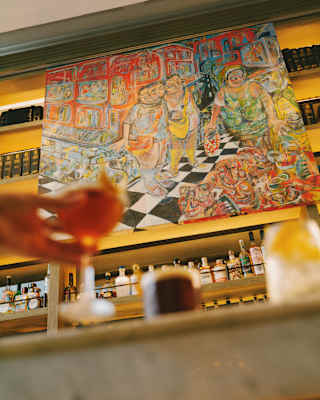
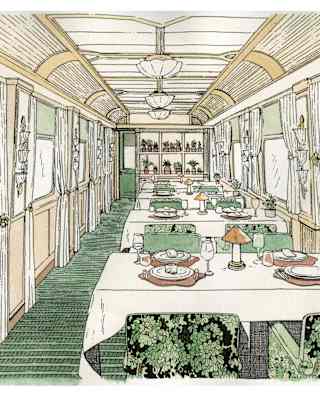
Cusco is the gateway to Machu Picchu, the so-called Lost City of the Incas. One of the most important archaeological sites in the world, this fifteenth-century citadel is fifty miles from Cusco and can be accessed only by foot or train. Belmond’s luxurious Hiram Bingham train is named after the American adventurer who was the first Westerner to document Machu Picchu, in 1911. The train, built to evoke a 1920s parlor, with wood-panelled interiors and brass finishes, has a bar car where bands play local songs and bartenders pour pisco sours.
Upon arrival at Machu Picchu, guests conclude the private tour with high tea at Sanctuary Lodge, the only luxury hotel that operates within the World Heritage site. Here, guests have the privilege of waking up on the mountain peak, contemplating one of the wonders of the world over breakfast. After returning to Cusco aboard the Hiram Bingham, a sariri has gained a deeper understanding of Peru – the history, the people, the food, the art, the music. Yet there is still so much to learn. Another Belmond train, the Andean Explorer, shares huge and otherwise inaccessible swaths of the country, traveling between Cusco, Puno and Arequipa. South America’s first luxury sleeper train, the Andean Explorer has twenty carriages and thirty-five private cabins, each with an en suite bathroom.
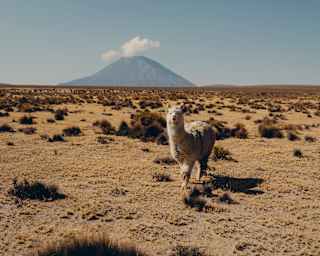
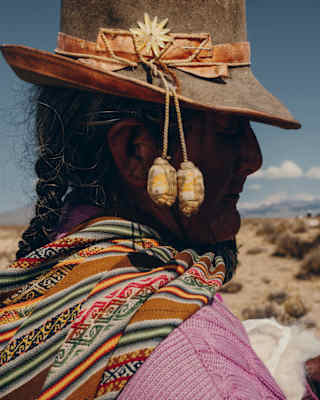
The Andean Explorer makes a stop at the Pampa Cañahuas station, a disembarkation point for passengers heading to the Colca Canyon. It is here that you will find Las Casitas, Belmond’s luxury retreat in this region. Only three hours away from Arequipa, the hotel captures the tranquility of this part of Peru through its lush gardens. Here you can witness the Wititi, the colorful dance of the Collagua and Cabana communities, in which men and women twirl in richly embroidered skirts.
Belmond’s two trains and six properties across Peru are all unique, embedded as they are in the country’s diverse locations, communities and histories. What connects them is what connects Peru: a spirit built from many layers of memory and traditions. It’s this complexity that will stay with the sariri long after they’ve returned home, and it is their duty to share it with the people they meet on their next journey.
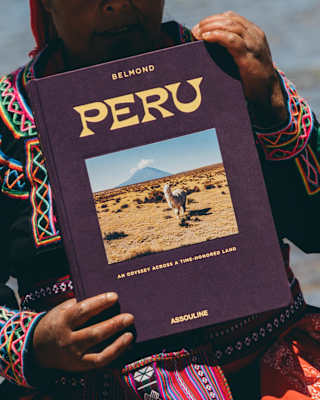
The above is an abridged extract from “Peru: An Odyssey Across a Time-Honored Land” © 2025 Assouline Publishing, Catherine Contreras. Purchase the book here.