Indigenous Knowledge and Living Culture
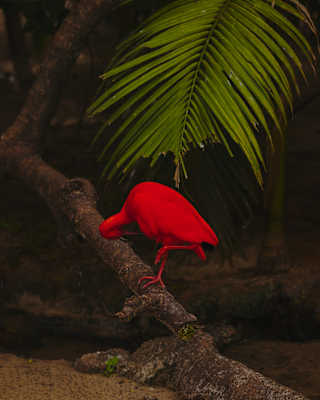
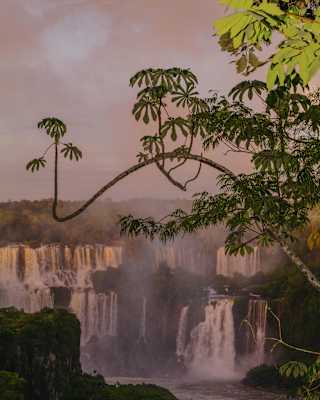
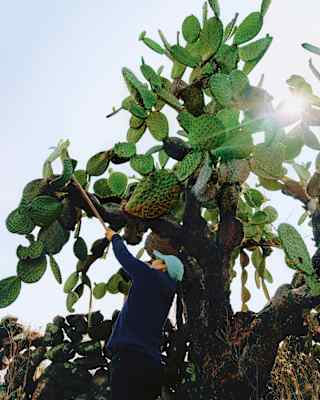
What truly distinguishes this place extends beyond its extraordinary natural setting. Surrounding the hotel and the national park are Indigenous communities whose relationship with this land spans millennia. For them, the forest is not scenery; it is a living archive. Knowledge, medicine, food, spirituality and memory are embedded in every root, leaf and path. Plants are not simply plants, they are remedies, dyes, materials for construction and vessels for ancestral stories. Animals are not merely part of the ecosystem; they are messengers, teachers, symbols. To walk through this territory is to move through layers of meaning accumulated long before modern borders or institutions existed.
Hotel das Cataratas has built its philosophy around respect for this depth. Its partnerships with local Indigenous communities are collaborative rather than transactional, designed to ensure economic empowerment while allowing traditions to remain alive and evolving. Artisans, farmers and guardians of ancestral knowledge engage in relationships that honour autonomy, expertise and cultural continuity. Rather than appropriating narratives, the hotel listens, learns and creates space for Indigenous voices to shape the experience it offers to guests.
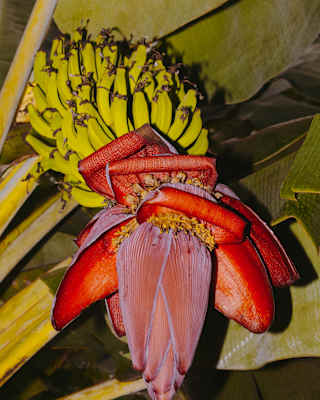
This philosophy comes to life in unexpected ways. In the hotel’s restaurants, native ingredients from the region, such as roots, fruits, herbs and plants, are carefully selected and incorporated into dishes that tell the story of the land. Many of these ingredients have been cultivated and used for generations, chosen not only for their flavour but also for their nutritional and medicinal properties. To taste them is to encounter a lineage of knowledge transmitted over time, connecting past and present through food.
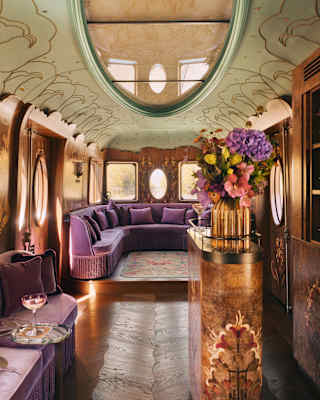
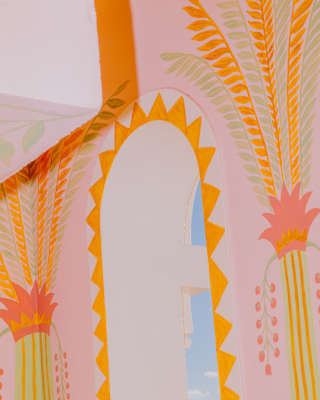
The same principle extends to the hotel’s interiors. Natural fibres, woods and handcrafted elements created by local communities appear in both subtle and expressive details, quietly weaving the forest and its people into the guest experience. These elements are not decorative in a superficial sense; they function as materialised memory. Every object carries an origin, and every origin carries a story of hands that shaped it, landscapes that inspired it and knowledge passed from one generation to the next.