ABOVE
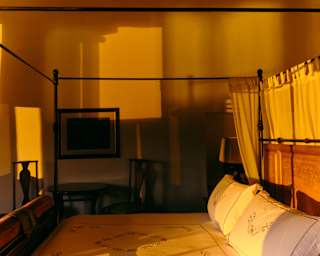
Shadows fall on the Nazarenas Suite at Palacio Nazarenas, A Belmond Hotel, Cusco, probably Mansio’s former bedchamber.
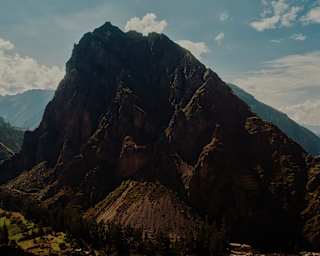
On the mountain opposite Ollantaytambo, the Inca site of Pinkuylluna glows in the morning sun. The ruins are thought to have been granaries, storing the plentiful produce grown in the Sacred Valley
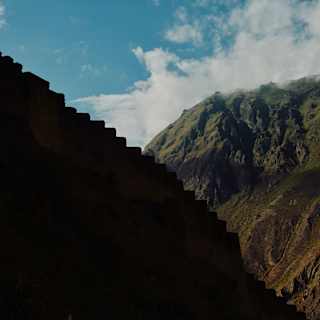
Tawantinsuyu, the Inca Empire, stretched for 2,500 miles between Colombia and Chile: the length of London to Timbuktu. It also spanned huge vertical distances, with terraces and irrigation channels winding down Andean slopes some five thousand metres high.
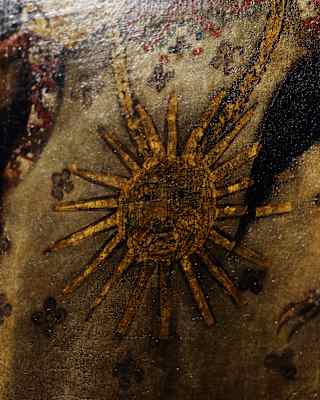
Though worship of the Inca Sun God, Inti, was officially outlawed by the Spanish, the surviving Inca nobility incorporated solar imagery into their portraits and coats of arms.
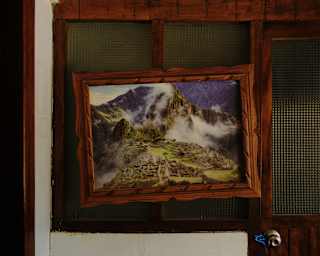
Since being popularised by Hiram Bingham III in the mid-twentieth century, Machu Picchu remains the most iconic symbol of pre-Columbian Peru. But the soaring Inca citadel is barely 600 years old: a mere stripling compared to earlier Andean civilisations.
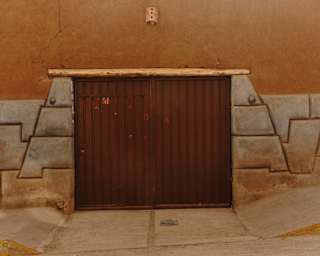
A garage door in Urubamba, a bustling commercial hub in the middle of the Sacred Valley, is designed to look like Inca stonework.
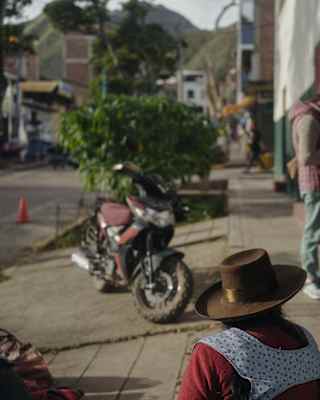
In the wake of an 1780 uprising lead by Tupac Amaru II, a descendant of the Incas, Spanish officials forbade Andeans wearing traditional dress. But the imposed European fashions of the age – bowler hats, knitted petticoats and flowing skirts – have since been reclaimed as a marker of identity in Indigenous communities across the Andes.
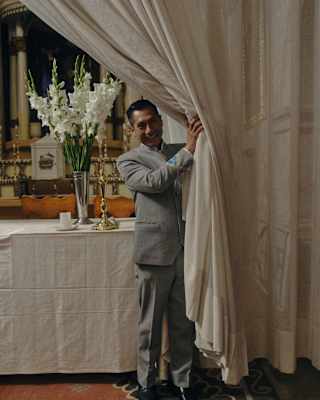
Edgar Roman pulls aside a curtain in the chapel of the Palacio Nazarenas. He has worked at Belmond’s properties across Peru for 22 years.
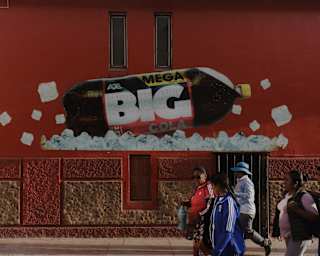
Locals walk past imitation Inca stonework made of pebbledash in Urubamba.
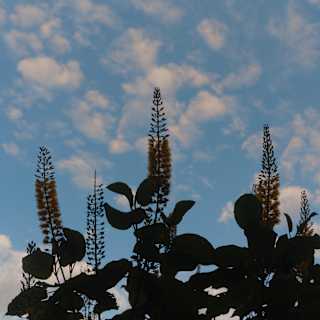
Stems of abatia parviflora, known locally as duraznillo and used to make black dye, wave in the Sacred Valley. Though native to the Americas, the tree is named after a colonial-era plant scientist from Seville, Pedro Abad y Mestre. The Spanish empire in the Andes not only extracted silver and labour but also foodstuffs and botanical knowledge.
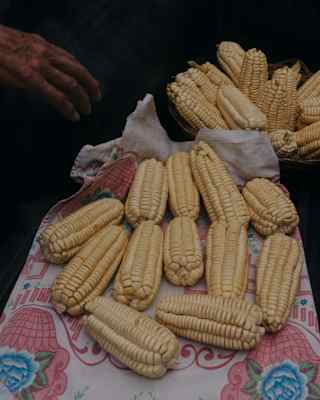
Alfredo Inca Roca gestures to the ears of corn grown on his smallholding not far from Cusco. Peru today boasts 55 varieties of corn – from white to golden and purple – painstakingly improved by Inca agronomists, Alfredo’s ancestors.
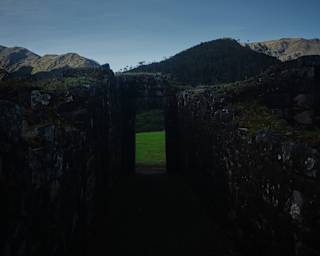
A doorway at Vitcos, the capital of Manco Inca – a rebel emperor who escaped colonial Cuzco. He founded a dynasty that held out in the mountains of the Vilcabamba for a generation.
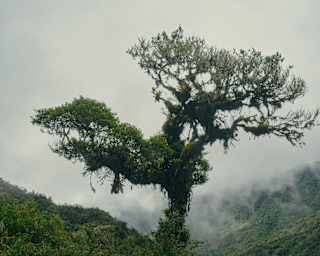
A mossy mandor tree lours over the hillside at Mandorccasa. A kind of carob, mandors can live for hundreds of years. This one may have witnessed Mansio and his fellow conquistadors marching down to capture Manco’s sons at Espíritu Pampa.
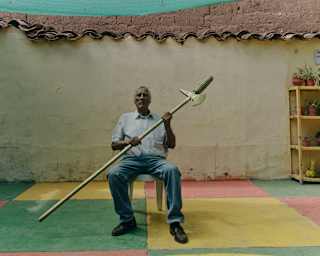
Offshoots of Tawantinsuyu’s aristocracy still live in Cusco. Alfredo Inca Roca, a descendant of the Inca Viracocha, has donned a golden costume eight times to play the Inca in Inti Raymi – the midwinter Festival of the Sun, revived in 1944.
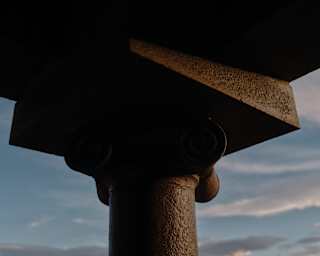
The column that adorns the Nazarenas Suite. Though carved in classical Ionic style, the pillar is made of the dark volcanic stone characteristic of Inca temples.
Author
British journalist and historian Laurence Blair is a long-time contributor to publications such as The Economist and the FT, writing about South American history and politics from his adoptive home of Paraguay. His latest book, 'Patria: Lost Countries of South America', was published in 2024.