Regional Twists and Modern Debates
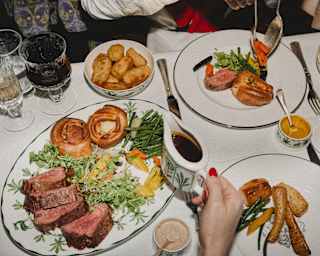
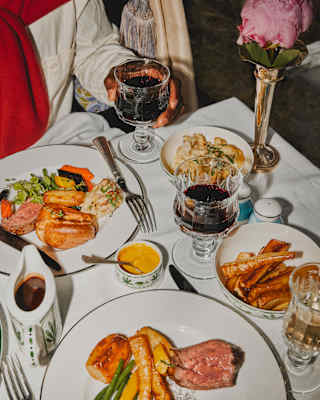
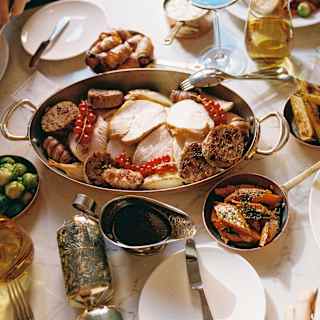
To sit down with a plate of Sunday Roast today is to dine with history – especially if your plate is also drowned in Bisto gravy (c. 1908), dotted with Paxo stuffing (c.1901) or daubed with Colman’s mustard (c. 1814). As the years have passed, factions have emerged: beef for purists, lamb in Wales, chicken for poultry lovers, pork for crackling devotees, nut roasts for vegetarians. These zags from tradition often dovetail into good-natured debate about whether peas, mac ‘n’ cheese, or even tomato ketchup have a canonical place on a Sunday Roast plate. To be fiercely defensive of the sanctitude of your chosen featured ingredients has practically become a British birthright.
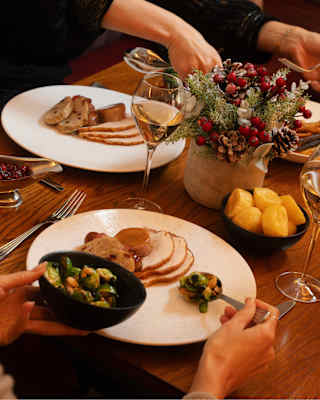
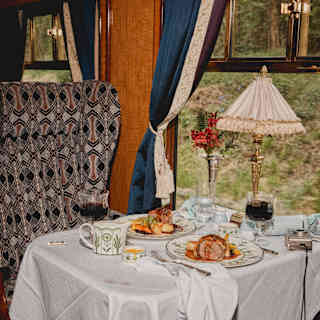
A Sunday Roast remains the week’s true centrepiece for many families. Across the country, it’s a ritual of conviviality: family gatherings where siblings jostle for the best cut of meat, children being scolded (and scalded) as they sneak the crispiest roast potato from the tray; and friends lingering over long, lazy pub lunches, clinking glasses and trading gossip. Whether cooked at home or eaten out, the lure of a lovingly prepared Sunday Roast draws Brits to their favourite spots week after week.