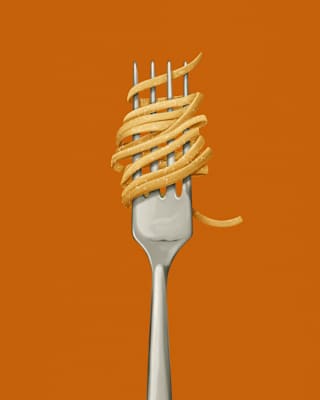
I overthink every detail of my cooking, which is why I probably agonise over picking the perfect pasta shape more than most people. But I swear, there’s good reason. As a cook and a pasta lover, deciphering which pasta shape to choose pushes me to the brink of a migraine (then again, so does picking out a TV show). Distinctions among the hundreds–some say well over a thousand–of pasta in Italy have mostly to do with their geometry.
Over centuries, every region in Italy has developed its own shapes featuring unique contours, ridges, diameters, and lengths–characteristics that lend themselves to specific sauce applications. There are the obvious ones: bucatini, strawlike from Lazio, is most famously paired with a spicy red sauce made with guanciale, chiles, and pecorino; tiny beads known as fregola are cooked gently with tomatoes and seafood; ear-shaped orecchiette from Puglia get tossed with bitter broccoli rabe and garlic. Liguria, one of the smallest of the 20 regions, may boast one of the most famous sauces of Italy–pesto–but the pastas in the area deserve just as much of the spotlight.
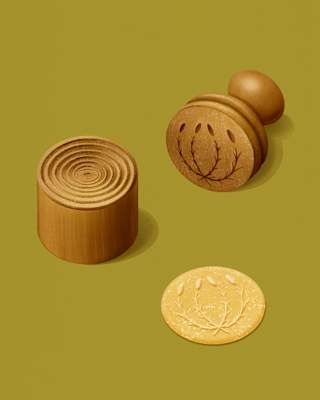
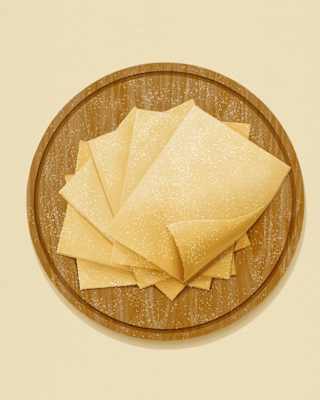
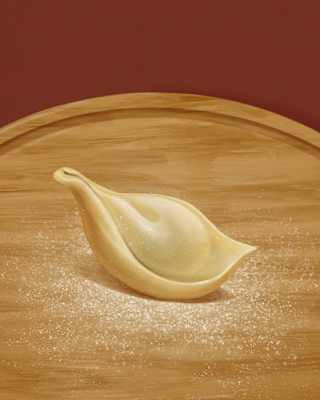
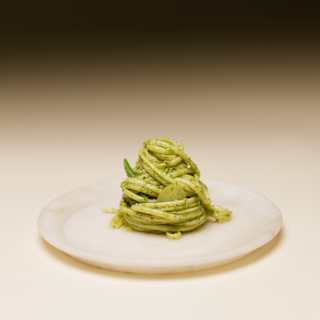
I find myself not in Liguria but in my city kitchen in New York, staring into a pantry of mismatched pasta shapes. I’ll spend too much time considering how they’ll complement the pesto I’m making and then spend too much time deciding what to listen to while I cook. But that’s the point. This is time worth taking. A few simmering minutes later, I’ll surrender myself to one of life’s greatest pleasures: eating a big bowl of pasta. On the following spread you’ll find five shapes to seek out next time you’re at an Italian market or restaurant. Better yet, you can use them as an excuse to fly to Liguria.