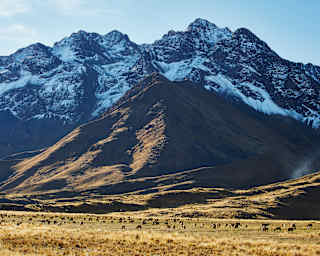
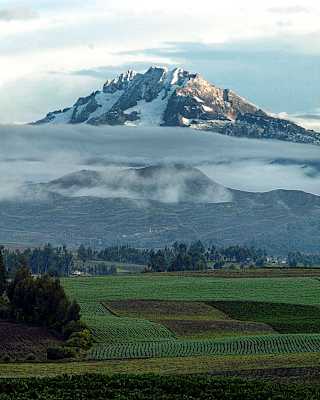
Its Apu is only second in importance to that of Ausangate, a 6,384m beast that attracts thousands of pilgrims each year for the annual Quyllur Rit'i, or ‘star snow’ festival, which often involves a six-hour hike to reach. Together, Salkantay and Ausangate – who are considered to be spiritual brothers – form the two most important apus in the Cusco region, while Veronica mountain is considered to be the ‘protector’ of the Sacred Valley.
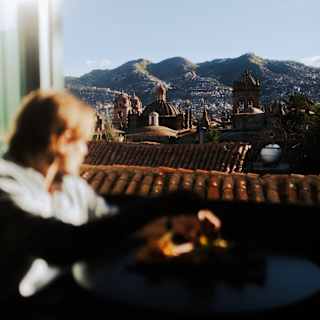
The deification of Peruvian mountains did not cease when the Spanish conquered Cusco in 1532, however. In fact, the curious melding of Christian and pre-Columbian beliefs is visible in Colonial-era artwork, much of which is on display throughout Monasterio, A Belmond Hotel. Conquistadors were keen to inhibit the worship of indigenous idols, seeing them as pagan and ungodly and instead, spread the word of Christianity throughout the city. Soon, many Peruvians viewed the Virgin Mary as an incarnation of Pachamama, the Earth Goddess. Artists in Cusco combined Christian iconography with their own ideals of godliness, resulting in intriguing art which depicted Mary in the shape of a pyramid-shaped ‘divine mountain’ – a cultural syncretism that exists to this day.
A striking sense of mysticism resides within the Andes. The palpable, powerful spirituality lives in the dizzyingly large slopes and protects the valleys below. It looms over the mountain peaks and sites, once the stage for sacrificial rites. Throughout all seasons and tremors in Peru, the mountains stand tall and proud, certain of their power. From the imposingly magical Huayna Picchu that overlooks the famed citadel to rainbow-striped Vinicunca mountain, to visit Peru is to be blessed with endless craggy beauties to marvel at, each with its own unique story to tell.