

Use arrow keys or navigation buttons to browse through content in this slider
Verwenden Sie die Pfeiltasten oder die Schaltflächen zur Seitennavigation, um zwischen den Bildern in diesem Karussell zu wechseln.
Wildlife through the Seasons
A UNESCO World Heritage Site renowned for its water-based safari experiences and extraordinary biodiversity, the wildlife of the Okavango Delta in Botswana is thrillingly varied, making it an ideal luxury holiday in Botswana for animal-lovers. Discover the endless things to do and see during your time with us, no matter which month you visit.
January
At the start of the year, the bush is alive with activity during rainy season. Spectacular afternoon thunderstorms are offset by warm temperatures, with days averaging 30°C (68°F). This is peak breeding time for many migrant bird species, when flowers and bright green foliage abound, making it an ideal month for photography enthusiasts keen to capture bright colours and dramatic skies.
February
The rains continue in February and temperatures can reach up to 40°C (104°F). Listen out for the sounds of fruit bats at night, colourful and noisy reed frogs, and spy butterflies at their most active. Water lilies are flowering and giant bullfrogs emerge from months of hibernation to indulge in nocturnal feeding frenzies. Resident game species don’t need to stray far for water, and by now, the young have grown almost as tall as the adults.
March
This exciting month sees the migration of hundreds of zebra and wildebeest through the Savute marshlands when temperatures are warm and drier. Hear the calls of the last of the migratory birds before they move to the northern hemisphere and witness the male impala cavorting to attract a mate at the start of rutting season.
April
Cooler morning temperatures with relatively high humidity results in a magical early morning mist in April. The impala rut is in full swing, and the noises might carry through the night as male rivals clash. Reptiles are also actively breeding and feeding in anticipation of the dry spell ahead. Trees complete their flowering and the fruit ripens, with huge lozenge-like fruit hanging from the Sausage Trees.
May
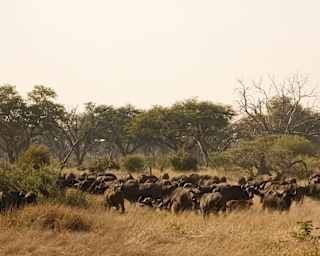
Bid farewell to the rains in May as the nights cool to 15°C (59°F) with the days remaining warm. The buffalo begin to group into large herds and visit the permanent watering holes more often as the landscape begins to dry. Breeding herds of elephant increase in density daily, and migratory birds begin their arduous flight to winter feeding and breeding grounds. Green colours start to fade into duller dry season colours, and predators begin to thrive again as their colouring blends in with the surroundings.
June
This exciting month sees the region’s coldest nighttime temperatures, reaching lows of 5°C (41°F). The African wild dogs begin to search for their dens, and predators begin to concentrate activity around the permanent watering holes in the area. Some green bushes and trees persist; however, most are beginning to lose their leaves.
July
An abundance of animals congregates near the water, making this a special time of year. Soft early morning and evening light combines with the dust of the plains, making for excellent photo opportunities. The nights are still cold, but the days are warmer, and the weather becomes typical of Botswana: sunny and clear.
August
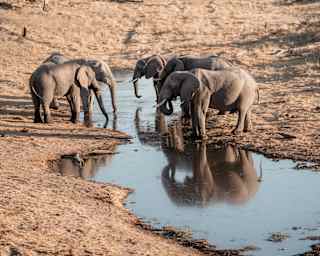
Animal herds are larger in August, and with patience and perseverance, the rewards are great. Limited space near the water leads to tension between herds of elephant, and the nights are filled with trumpetting. The bush is bare, and birds such as herons and storks start to begin nest-building. Warm days and evenings make for pleasant weather conditions.
September
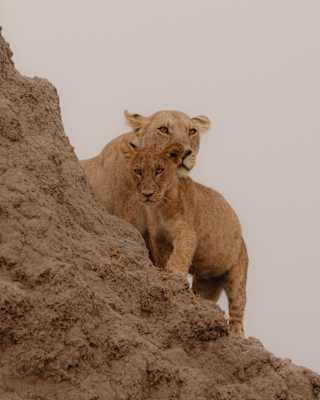
Dry, sunny and clear, September sees still great concentration of elephant and buffalo. The predators are busy as the season takes its toll on prey species, making this a time of plenty for the lions. Carmine bee-eaters and other migrant birds return from winter grounds, and fish begin to become active again.
October
Daytime temperatures regularly rise above 40°C (104°F) again in October, and morning game viewing activities begin very early, and night drives depart later to avoid the heat of the day. Predator chases erupt into clouds of dust and there are fishing frenzies, alongside the herons being in full activity with thousands of birds breeding and nesting.
November
A wonderful time for photographers due to the colour, action and visibility, November sees high temperatures and trees burst into life. Once the rain arrives, normally halfway through the month, animals disperse to feed on the new vegetation and drink from the seasonal pans. The antelope birthing season begins, followed by impala and lechwe.
December
Regular rains and thunderstorms make this a dramatic month. Impala complete their lambing, wildebeest finish calving and protein-rich grasses feed mother antelopes. Predators must work harder for their catch, as the bush becomes denser and provides more hiding places for prey.